


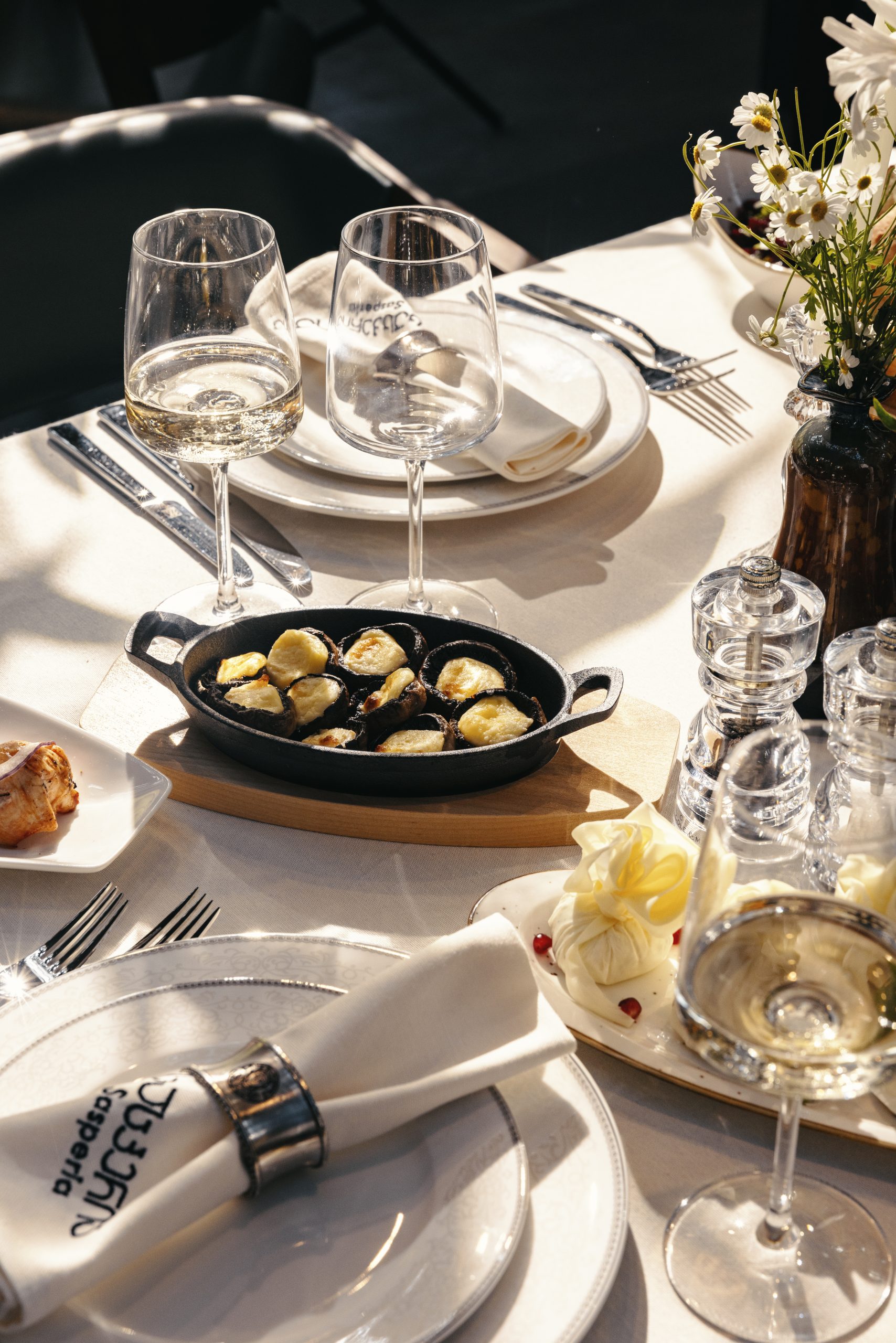
Georgian cuisine is often associated with khachapuri and khinkali, but these dishes represent only a small part of the rich culinary culture Georgia has developed over centuries.
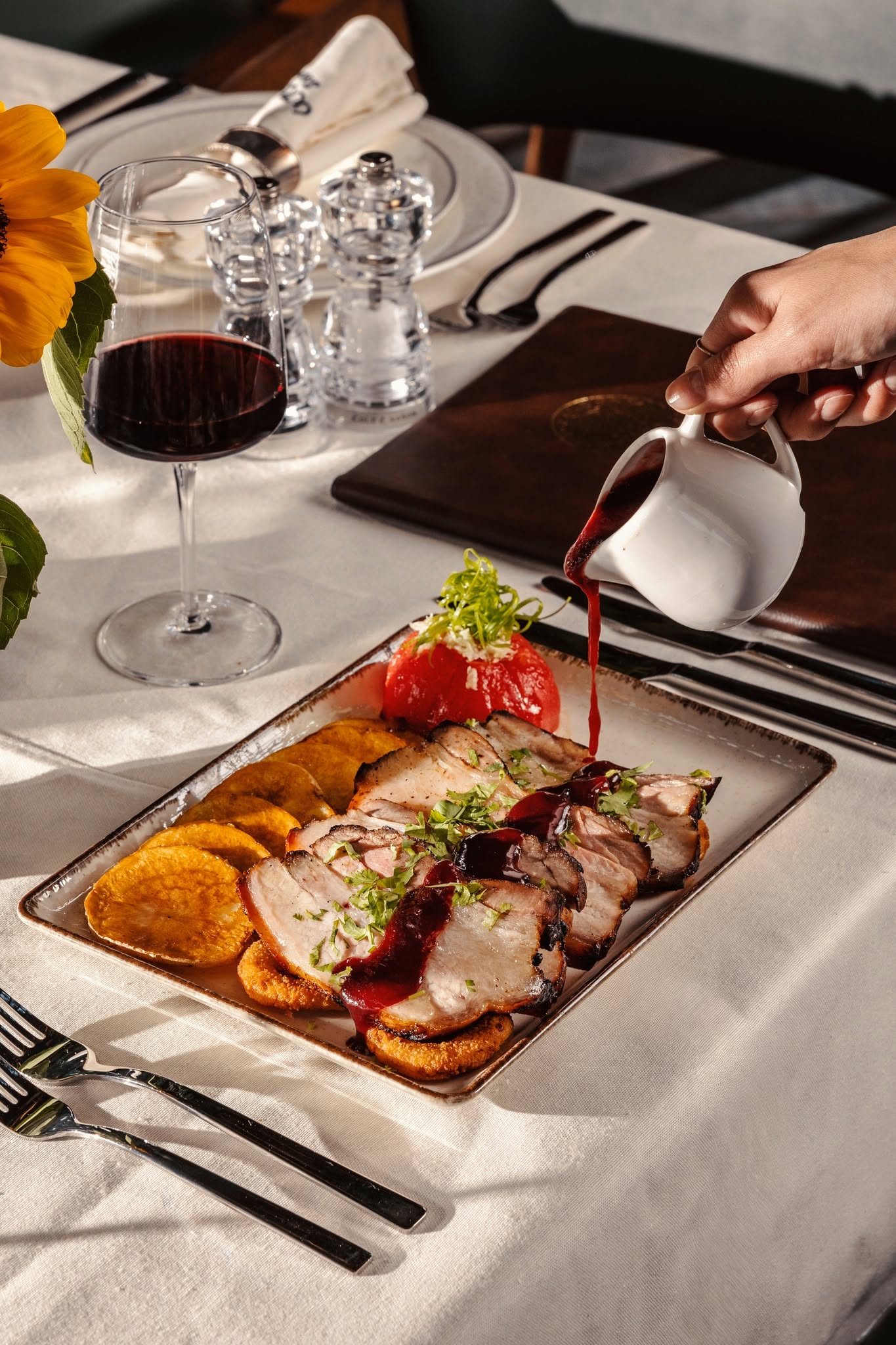
Each region of Georgia has its own flavors and traditions. In western Georgia, walnuts, corn-based dishes, fresh herbs, and adjika play an important role, while eastern Georgian cuisine is known for its use of meat, wheat, and local spices. Dishes such as pkhali, satsivi, eggplant with walnuts, elarji, ghomi, and tkemali reveal the incredible diversity of Georgian cuisine.
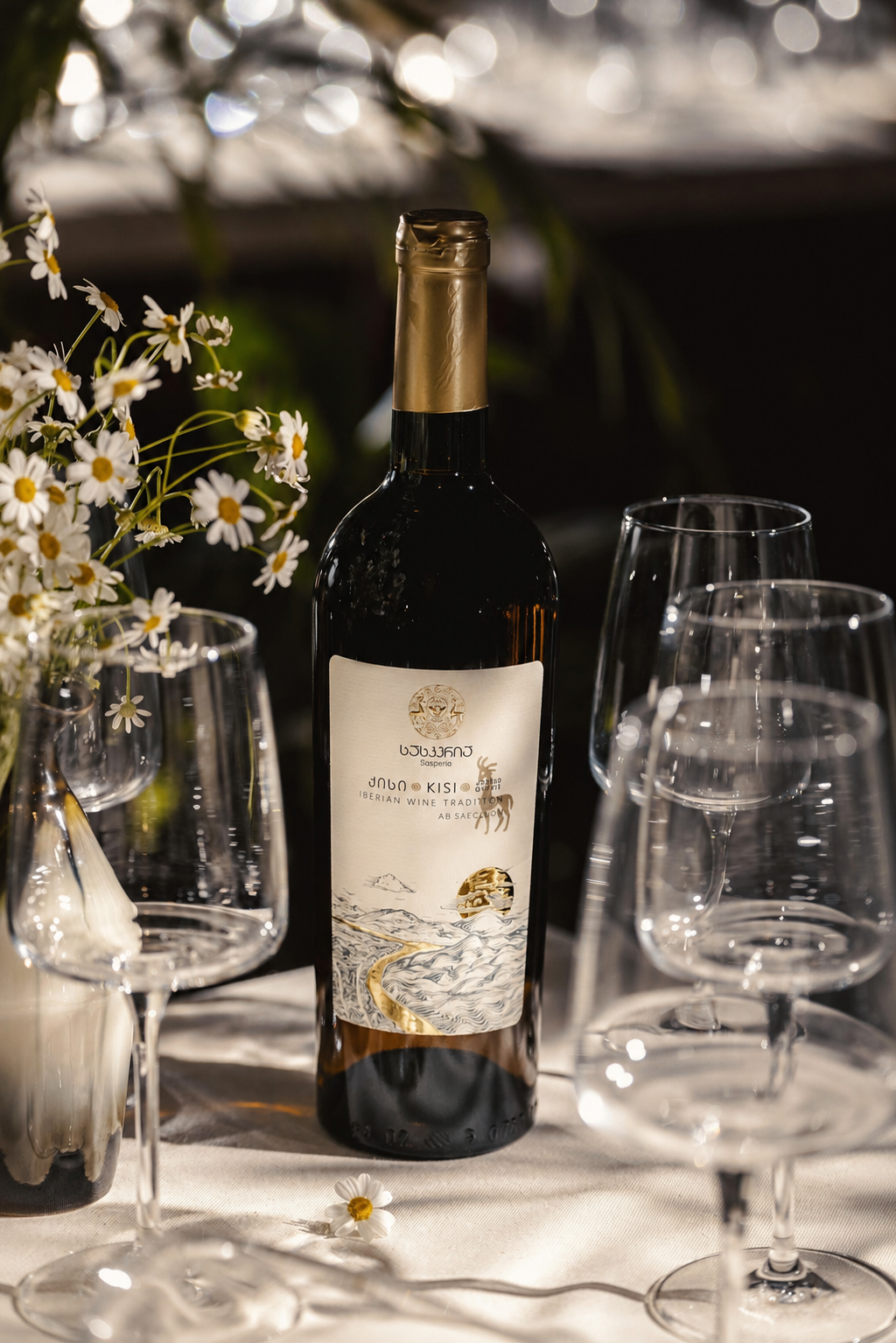
Wine is another essential part of Georgian culinary culture. Georgia has one of the world’s oldest winemaking traditions, and qvevri wine remains an important symbol of the country’s heritage. At a Georgian table, wine is more than a drink — it is part of hospitality, celebration, and connection.
The Georgian supra brings all these elements together. Alongside the food come conversations, traditional toasts, sharing, and the simple act of making guests feel welcome. A Georgian meal is therefore more than food — it is an experience.
At Sasperia, in historic Mtskheta, Georgian culinary heritage meets a contemporary restaurant experience. Here, you can discover a variety of flavors from different regions of Georgia, including distinctive Megrelian dishes that bring a unique character to Georgian culinary traditions. Combined with Georgian wine and warm hospitality, it is an experience that allows you to discover Georgian culture through food.

Leave a Reply